Connecticut Home Improvement Blog

Tips & Guides for Connecticut Homeowners

Honest answers from a Connecticut contractor with 20+ years on local homes.

No fluff, no marketing speak. Just practical advice on roofing, siding, gutters, windows, painting, and framing in Connecticut. Browse the topics below and get the information you need before starting your next project.

Latest Articles

Connecticut Home Improvement Tips & Guides

Browse our latest articles below. Click any topic on the left to read the full guide, written by our crew from 20+ years of work on Connecticut homes.

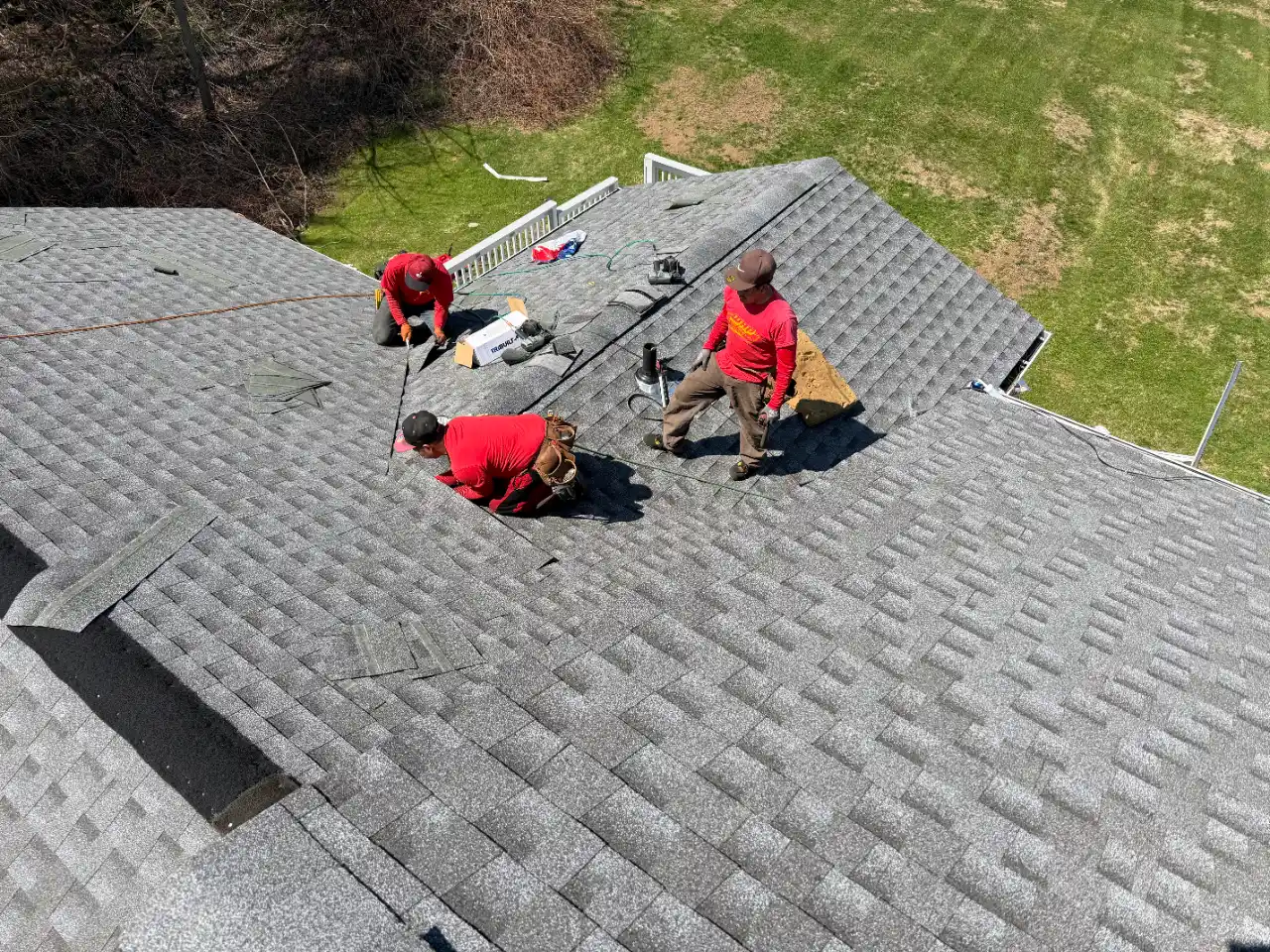
Connecticut roof repair vs replacement guide by Sichiqui Home Improvement
Roofing 6 min read Published Recently

How to Tell If Your Connecticut Roof Needs Repair or Replacement

If your roof is leaking or showing wear, you're probably wondering whether you need a quick repair or a full replacement. It's one of the most common questions we get from Connecticut homeowners. The answer depends on a few key factors, and getting it right saves you money.

Here's how we think about it after 20 years of working on Connecticut roofs.

Start With the Age of Your Roof

Age is the first thing we check. Most asphalt shingle roofs in Connecticut last 20 to 30 years. If your roof is under 15 years old and the damage is localized, repair usually makes sense.

If your roof is past 20 years and showing widespread wear, repair is often throwing good money after bad. You'll likely face more problems within a year or two.

Repair Usually Makes Sense When

  • The damage is limited to one area, like a few missing shingles after a storm
  • Your roof is relatively young and otherwise in good shape
  • There's a single leak you can trace to a specific spot
  • Flashing around a chimney or vent has failed but the shingles are fine

Replacement Makes More Sense When

  • Your roof is 20 or more years old
  • You're seeing granules from shingles filling your gutters
  • Multiple leaks are showing up in different areas
  • Shingles are curling, cracking, or going bald across the roof
  • You can see daylight through the roof deck in your attic

The Connecticut Weather Factor

Our New England weather is hard on roofs. Ice dams form when snow melts unevenly and refreezes at the eaves. That water backs up under shingles and causes leaks that look like roof failure but start at the gutter line.

Sometimes what looks like a roof problem is really a ventilation or ice dam problem. A good roofing contractor checks for this before recommending a full replacement you might not need.

What About Cost?

Repairs cost far less upfront than replacement. But if you're repairing an old roof every year, those repairs add up fast. At some point, replacement is the smarter financial move.

We give honest assessments. If a repair will hold for years, we'll tell you. If you're better off replacing, we'll explain why and let you decide. No pressure either way.

When to Call a Roofing Contractor

If you've got an active leak, missing shingles after a storm, or a roof past 20 years, it's worth a free inspection. We'll climb up, check the deck and flashing, and give you a written assessment of whether repair or replacement is the right call.

Don't wait on an active leak. Water damage spreads to your decking, insulation, and ceilings fast, and that turns a cheap fix into an expensive one.

Need a Professional Opinion?

Get a Free Roof Inspection in Connecticut
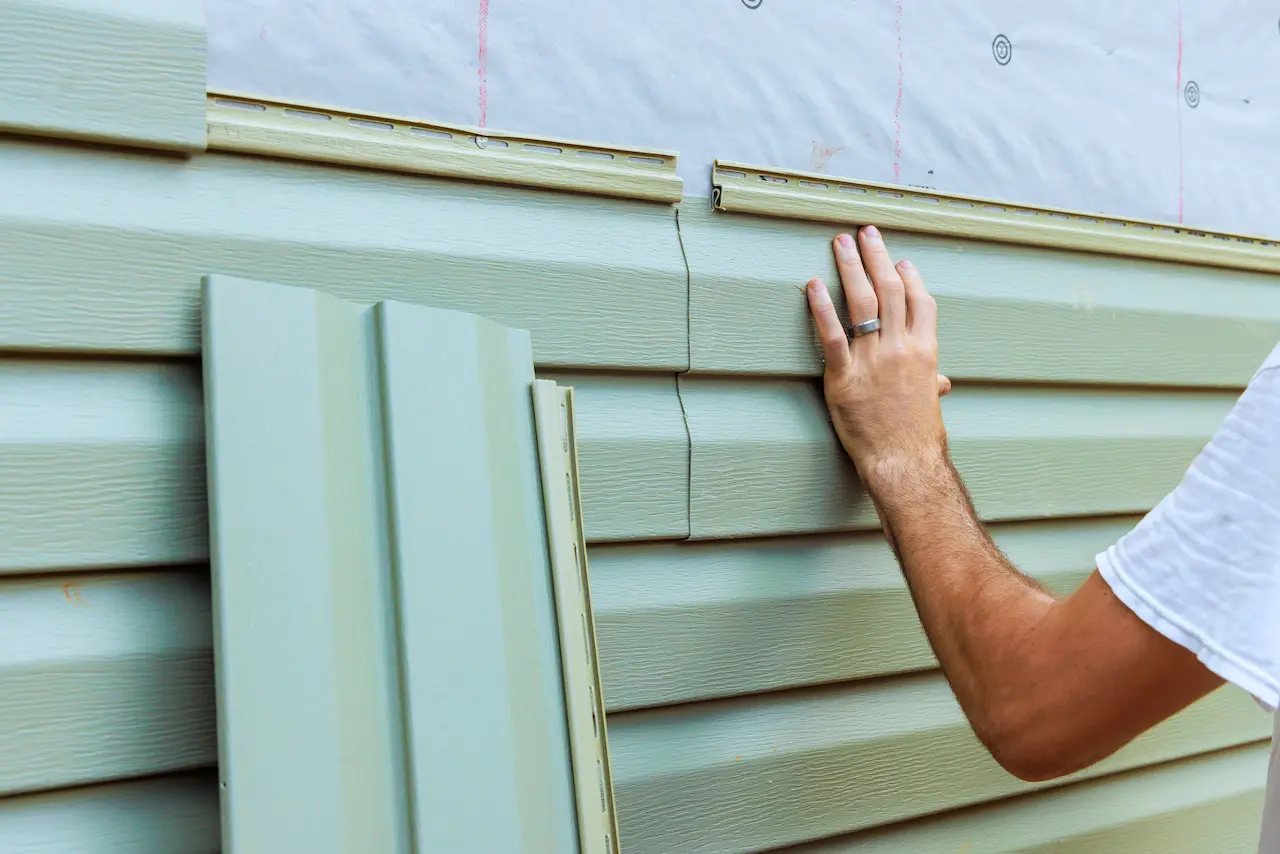
Vinyl vs fiber cement siding comparison for Connecticut homes
Siding 7 min read Published Recently

Vinyl vs Fiber Cement Siding: Which Is Right for Your Connecticut Home?

When Connecticut homeowners come to us for new siding, the first question is almost always about material. Vinyl and fiber cement are the two most popular choices, and they're very different products. Here's how they stack up.

Cost: Vinyl Wins

Vinyl is the more affordable option, both for materials and installation. If budget is your main concern, vinyl gives you a clean, fresh exterior for less.

Fiber cement costs more upfront. You're paying for a heavier, more durable product that takes longer to install. But it lasts longer, so the cost difference shrinks over the life of the siding.

Durability: Fiber Cement Wins

Fiber cement is tough. It resists fire, impact, salt air, and insects. On the Connecticut coast, where salt air degrades lesser materials, fiber cement holds up remarkably well.

Vinyl is durable too, but it can crack in extreme cold and warp under intense heat. In Connecticut's freeze-thaw cycles, quality matters. Cheap vinyl fails faster than premium vinyl.

Looks: Depends on What You Want

Fiber cement mimics real wood grain convincingly. From the curb, it's hard to tell fiber cement from painted wood clapboard. For historic Connecticut homes, that authentic look matters.

Modern vinyl has come a long way. The colors are baked in, the profiles look clean, and you'll never repaint it. But up close, it still reads as vinyl to a trained eye.

Maintenance: Vinyl Wins

Vinyl is nearly maintenance-free. An occasional rinse with a hose keeps it clean. It never needs paint.

Fiber cement holds paint exceptionally well, but it does need repainting every 10 to 15 years. That's far less often than wood, but more than vinyl's zero.

Lifespan

  • Vinyl siding: 20 to 40 years, depending on quality and exposure
  • Fiber cement siding: 30 to 50 years with proper installation

Our Honest Take for Connecticut Homes

If you're on a budget or planning to sell within a decade, vinyl is a smart, cost-effective choice. It looks good and protects your home.

If you're staying long-term, own a coastal property, or want the authentic wood look, fiber cement is worth the extra cost. It'll outlast vinyl and handle Connecticut weather better.

There's no wrong answer. It comes down to your budget, your home, and how long you plan to stay. We install both, so we're happy to walk your property and give you an honest recommendation.

Ready to Talk Siding?

Free Siding Estimates in Connecticut

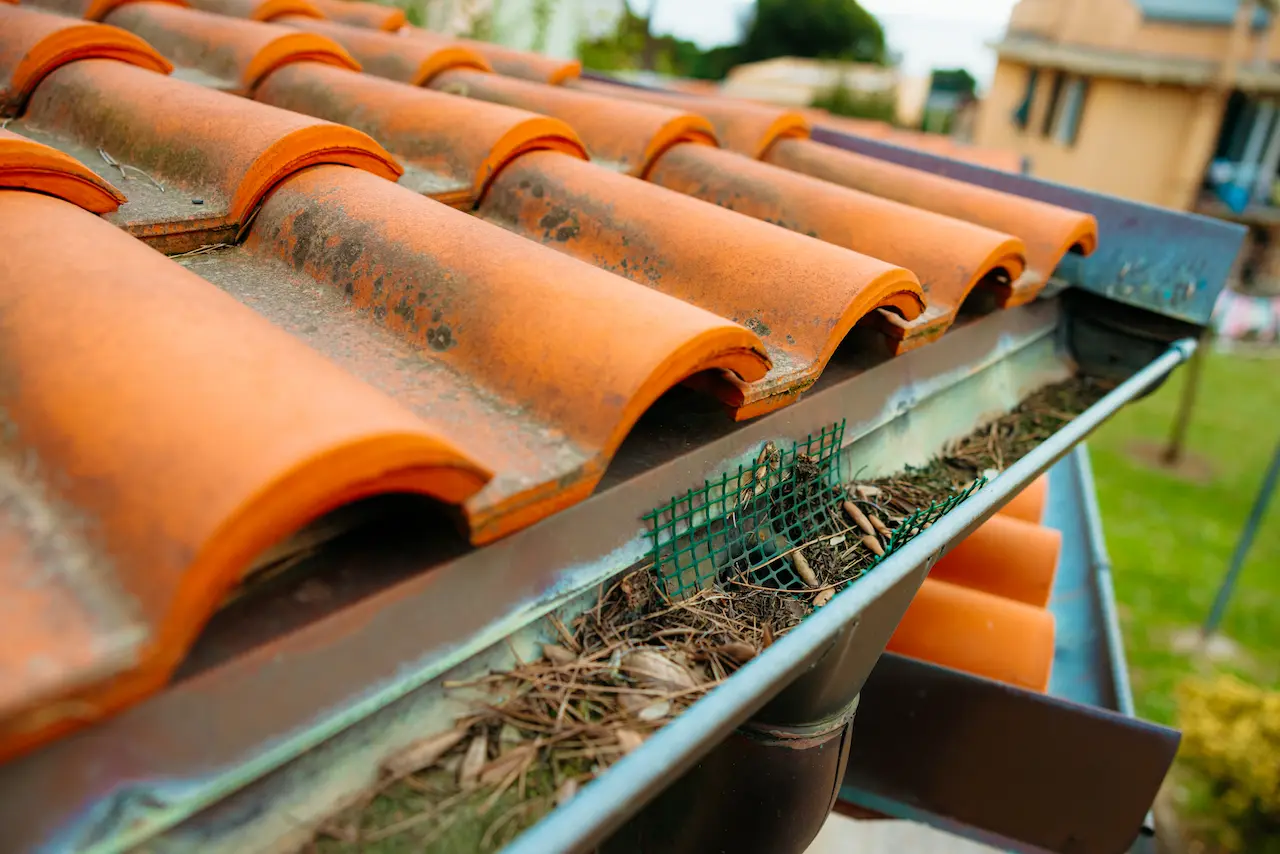
Gutter cleaning schedule for Connecticut homes by Sichiqui Home Improvement
Gutters 5 min read Published Recently

How Often Should You Clean Gutters in Connecticut?

Gutter cleaning is one of those chores that's easy to forget until water's pouring over the edge during a storm. So how often do you actually need to clean your gutters in Connecticut? The short answer is at least twice a year. But it depends on your property.

The Basic Connecticut Schedule

For most Connecticut homes, we recommend cleaning gutters twice a year: once in late spring after the trees finish dropping seeds and buds, and once in late fall after the leaves come down.

That schedule catches the two biggest debris seasons and keeps your gutters flowing through the heavy rain and snow that follow.

When You Need to Clean More Often

If your property has heavy tree coverage, twice a year won't cut it. Homes surrounded by oaks, maples, and pines in towns like Wilton, Silvermine, or North Stamford often need three or even four cleanings a year.

Pine needles are especially troublesome. They're small enough to slip through gaps and pack down into a dense mat that water can't get through.

Signs Your Gutters Are Overdue

  • Water spilling over the gutter edge during rain
  • Plants or grass growing in the gutters
  • Sagging sections pulling away from the fascia
  • Stains or streaks on the siding below the gutters
  • Water pooling near your foundation after storms

Why It Matters in Connecticut

Clogged gutters cause more damage than people realize. When water can't drain, it backs up under your roof edge, overflows against your foundation, and freezes into ice dams in winter.

Ice dams are a Connecticut specialty. When clogged gutters fill with water and freeze, the ice pushes under your shingles and into your home. That's how a skipped gutter cleaning turns into a roof leak.

Should You Consider Gutter Guards?

If you're tired of climbing a ladder twice a year, gutter guards are worth a look. They don't eliminate maintenance entirely, but they cut cleaning frequency way down on heavily wooded Connecticut properties.

Different guard systems handle different debris loads. We can recommend the right type based on what's actually falling on your roof.

Want to Skip the Ladder?

Schedule Gutter Cleaning or Guards in Connecticut

Signs your Connecticut home needs new window replacement
Windows 5 min read Published Recently

Signs You Need New Windows in Your Connecticut Home

Windows don't usually fail all at once. They get drafty, they get harder to open, and your energy bills creep up while you barely notice. Here's how to tell when it's time to replace the windows in your Connecticut home.

You Feel Drafts Near the Windows

Stand near your windows on a cold Connecticut day. If you feel cold air coming through even when they're closed, the seals have failed. Drafts are the clearest sign that your windows aren't doing their job anymore.

Your Energy Bills Keep Climbing

Old single-pane windows leak heat in winter and let it in during summer. If your heating and cooling bills are higher than they should be, your windows are a likely culprit.

Modern double-pane low-E windows make a real difference in Connecticut. Most homeowners notice the savings the first winter after replacement.

There's Fog Between the Glass

If you see condensation or fog trapped between the panes of glass, the window seal has broken. The insulating gas that made the window energy efficient has escaped, and there's no fixing it. That window needs replacement.

They're Hard to Open, Close, or Lock

Windows that stick, won't stay up, or won't lock properly have warped or worn out. Beyond the annoyance, a window that won't lock is a security problem. A window that won't open is a safety problem in a fire.

You See Rot or Water Damage

Soft, dark, or crumbling wood around the window frame means water's getting in. Once rot starts, it spreads. Replacing the window and repairing the frame stops the damage before it reaches the wall structure.

The Connecticut Payback

New windows aren't cheap, but they pay you back. Lower energy bills, better comfort, less outside noise, and a more secure home all add up. New windows also boost resale value, which matters in Connecticut's competitive market.

You don't have to replace every window at once. Many Connecticut homeowners start with the worst rooms and replace the rest over time. We're happy to help you prioritize during a free assessment.

Think It's Time?

Get a Free Window Assessment in Connecticut

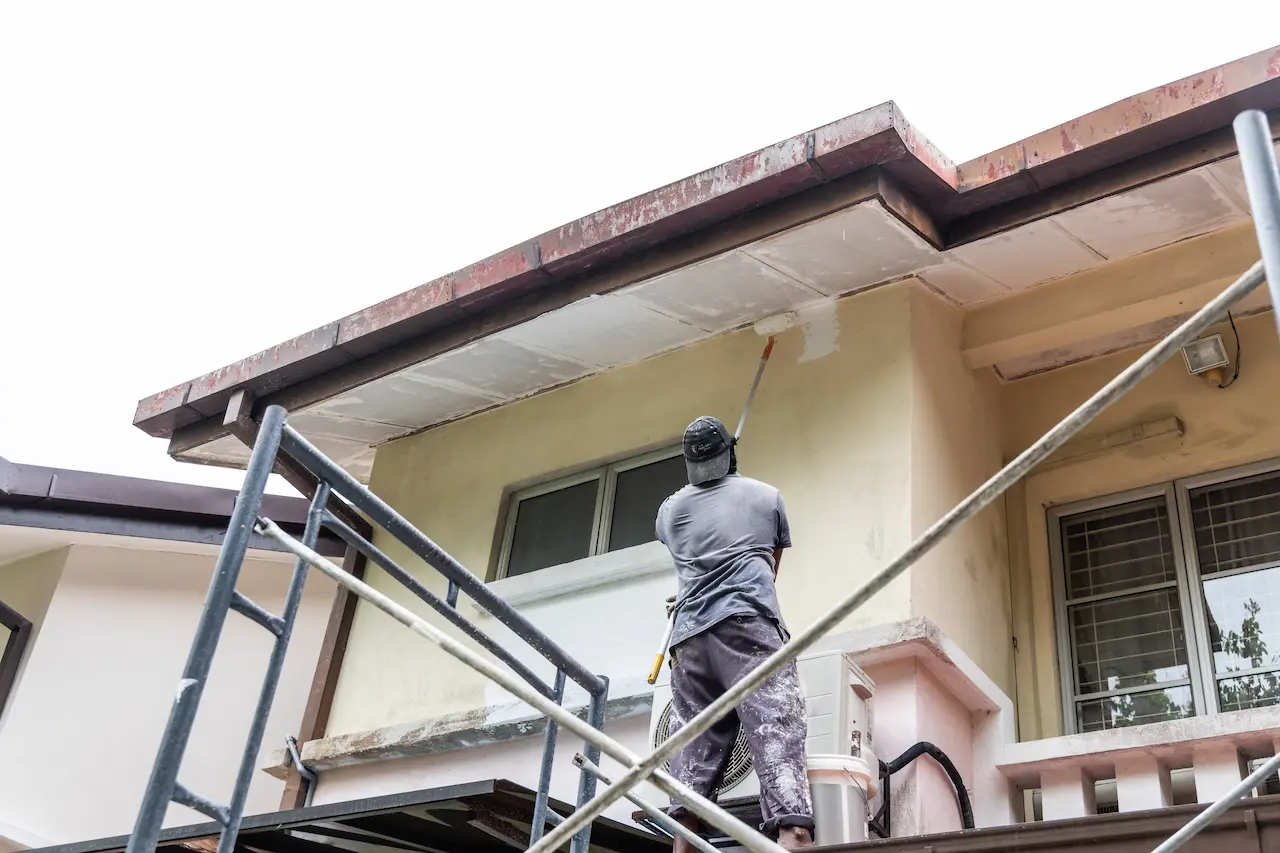
Best time to paint a Connecticut home exterior
Painting 5 min read Published Recently

The Best Time of Year to Paint a House Exterior in Connecticut

Exterior paint only performs as well as the conditions it's applied in. Paint in the wrong weather and it won't bond properly, no matter how good the product is. In Connecticut, timing your exterior paint job right makes all the difference. Here's what we've learned over 20 years.

The Sweet Spot: Late Spring Through Early Fall

The best window for exterior painting in Connecticut runs from late April through October. During these months, you get the warm, dry conditions that paint needs to cure correctly.

We need daytime temperatures consistently above 50 degrees, low humidity, and a stretch of dry days. Connecticut gives us plenty of those between spring and fall.

Why Temperature Matters So Much

Paint cures through evaporation and chemical bonding. Apply it when it's too cold and the paint won't form a proper film. It'll look fine for a season, then peel and crack the next year.

Most quality exterior paints need temperatures above 50 degrees, and ideally above 60, during application and for several hours after. That rules out most of the Connecticut winter.

Watch the Humidity

High humidity slows drying and can trap moisture under the paint film. That leads to blistering and poor adhesion. Connecticut summers can get humid, so we plan around the forecast and avoid painting right before or after rain.

Months to Avoid

  • December through March: too cold for paint to cure properly
  • Any day with rain in the forecast within 24 hours
  • Stretches of high humidity, common in midsummer
  • Late fall once nighttime temperatures dip below 50 regularly

What About Interior Painting?

Interior painting is a year-round job. We control the temperature and humidity inside, so winter is actually a great time to repaint interior rooms while exterior work is off the table.

Many Connecticut homeowners book interior work in the colder months and schedule exterior projects for spring and summer. It spreads the work out nicely.

Plan Ahead in Connecticut

The good painting weather books up fast. If you want your Connecticut home painted next summer, reach out in late winter or early spring to get on the schedule. Good crews fill their calendars early.

Planning an Exterior Paint Job?

Reserve Your Spot on the Connecticut Schedule

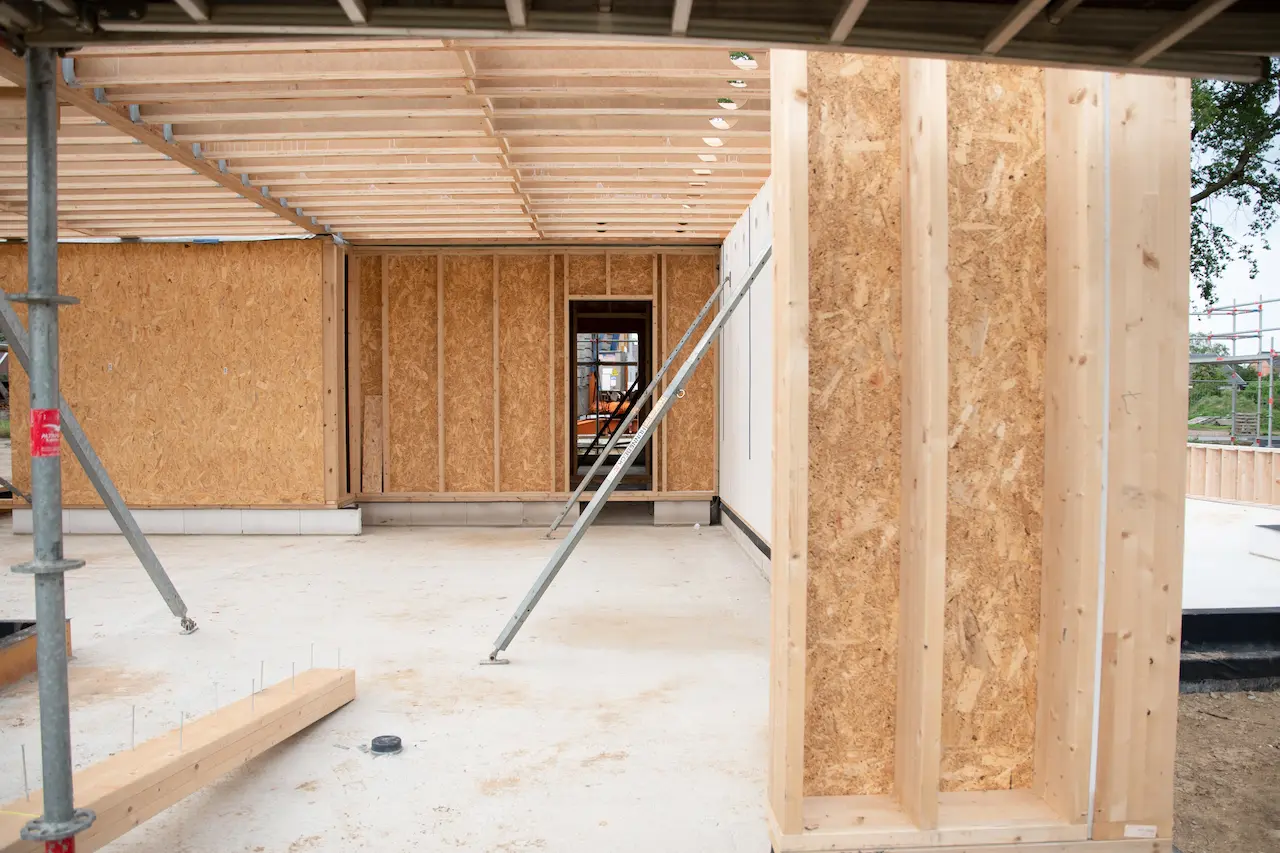
Connecticut home addition framing guide by Sichiqui
Framing 7 min read Published Recently

What to Know Before Adding an Addition to Your Connecticut Home

A home addition is one of the biggest projects you'll take on as a homeowner. Done right, it adds space, value, and comfort. Done wrong, it's a headache that drags on for months. Here's what we tell Connecticut homeowners before they break ground on an addition.

Start With a Clear Plan

Before anything else, get clear on what you actually need. A bigger kitchen? A first-floor bedroom? A family room? The clearer your goal, the smoother the design and build process goes.

We always recommend talking to a contractor early, even before final plans. A good contractor spots problems on paper that save you money before construction starts.

Permits Are Not Optional in Connecticut

Every Connecticut town requires permits for additions. The building department reviews your plans to make sure the structure is safe and meets code. Skipping permits causes serious problems when you sell.

A good contractor handles the permit process for you. We file the paperwork, schedule inspections, and coordinate with your town's building inspector so you don't have to.

The Framing Is the Foundation of Everything

Once the foundation is poured, framing is where your addition takes shape. The framing has to tie into your existing home cleanly, matching floor heights and roof lines so the addition looks like it was always there.

This is the part that trips up inexperienced crews. A poorly framed addition shows up later as uneven floors, cracked drywall, and doors that won't close. Plumb and square framing prevents all of that.

Connecticut Weather Affects the Build

Our climate shapes how and when additions get built. Snow loads dictate how the roof is framed. Freeze-thaw cycles affect the foundation timing. A Connecticut crew plans the schedule around the weather.

Framing can happen in most seasons, but the foundation and exterior work need the right conditions. A local contractor knows how to sequence the work to keep your project moving.

Realistic Timelines

  • Planning and permits: 4 to 8 weeks before construction
  • Foundation: 1 to 2 weeks, weather dependent
  • Framing: 2 to 4 weeks for most additions
  • Full addition completion: 2 to 4 months, depending on size and finishes

Choose a Contractor Who Coordinates the Trades

An addition involves framing, electrical, plumbing, HVAC, insulation, drywall, and finishes. The more your contractor can handle or coordinate, the fewer gaps and delays you'll face.

We frame additions in Connecticut and coordinate with the other trades to keep the project on track. One point of contact beats chasing six different subcontractors.

Plan for the Unexpected

Older Connecticut homes hide surprises. We sometimes open a wall and find outdated wiring, hidden rot, or framing that doesn't meet current code. Build a little cushion into your budget and timeline for these discoveries.

A contractor who's honest about these possibilities upfront is one you can trust. We'd rather set realistic expectations than surprise you halfway through.

Planning an Addition?

Talk Through Your Connecticut Project

24/7 Emergency Response

24/7 Emergency Service in Connecticut

Storms, sudden leaks, and fallen tree impacts do not wait for business hours. We provide 24/7 emergency response in Connecticut for roofing and structural problems. Call any hour and our Connecticut crew responds as quickly as conditions allow.

Call Now (203) 515-9903